
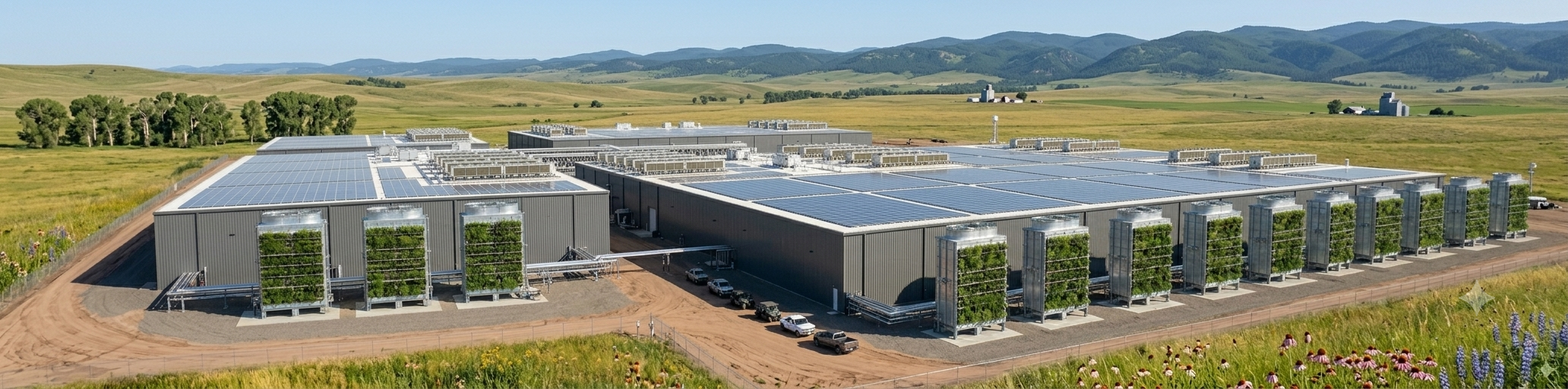
OUR RESOURCE EFFICIENT COOLING SYSTEM:
Enhanced Power & Water Efficiency • Zero Liquid Discharge
The Why?
The rapid growth of AI is redefining the demands placed on data center cooling infrastructure.
As computing density continues to increase, data centers must reject more heat while minimizing freshwater consumption, managing electrical demand, and meeting increasingly stringent environmental requirements. Existing technologies can meet these objectives—but only by prioritizing one over another.
The Challenge
Conventional heat-rejection technologies have evolved to optimize different priorities: some approaches minimize water consumption, while others prioritize energy efficiency. Each solution provides important benefits but also introduces distinct operational considerations.
-
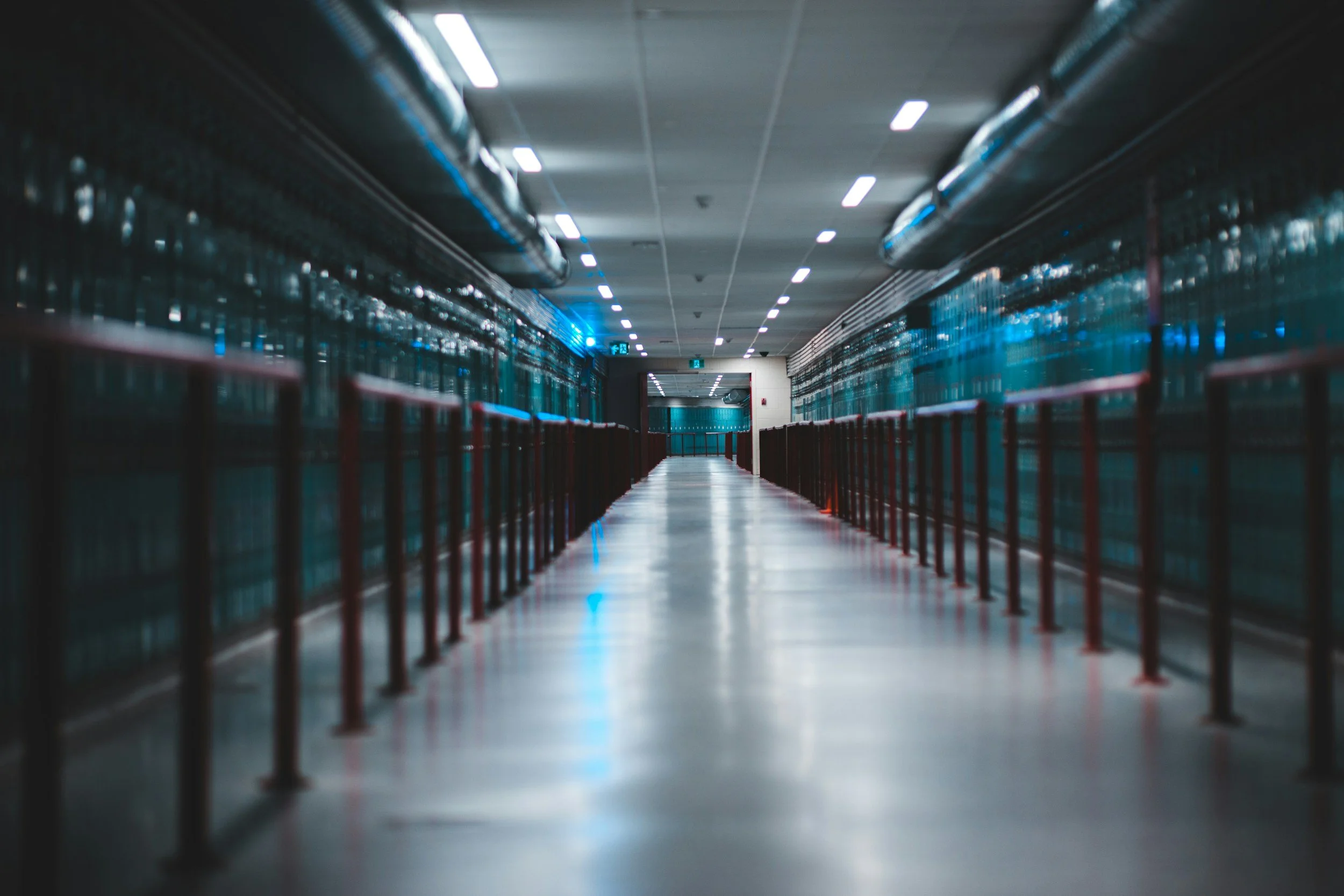
Data centers today primarily rely on a number of established approaches to reject heat, each designed around different engineering priorities. Some of the most common are:
Evaporative Cooling with Blowdown Discharge – Maximizes cooling efficiency and minimizes electrical demand, but consumes large volumes of water and continuously generates wastewater (blowdown).
Evaporative Cooling with Zero Liquid Discharge (ZLD) – Retains the efficiency of evaporative cooling while eliminating wastewater through additional treatment processes, increasing system complexity and cost.
Dry Cooling – Eliminates onsite water consumption by rejecting heat directly to the air, but requires significantly more electrical power to achieve comparable cooling performance.
Each approach is well established and effective, but balances water use, energy demand, capital cost, and operational complexity differently.
-
AI workloads are dramatically increasing the computing density of modern data centers, resulting in greater heat generation than ever before. As facilities scale, operators must reject increasing amounts of heat while managing freshwater availability, electrical demand, environmental regulations, and permitting requirements.
These competing constraints are making heat rejection one of the defining engineering challenges for next-generation AI infrastructure.
-
The rapid growth of AI is driving the construction of increasingly large and power-dense data centers. Heat rejection at this scale requires substantial water or energy resources, depending on the cooling approach.
Representative resource requirements:
Evaporative Cooling:
~10 million gallons of freshwater per day (≈15 Olympic-sized swimming pools)
~3 million gallons of blowdown wastewater per day (≈5 Olympic-sized swimming pools)
Dry Cooling:
Up to ~1.4 GW of electrical demand (comparable to the electricity consumption of approximately 1.4 million homes)
Up to 30,000 acres of required land (~22,000 American football fields)
*Actual resource requirements vary based on climate, facility design, and operating conditions.
Our Mission
Massively reduce the water and power demands of AI data centers.
Our Solution
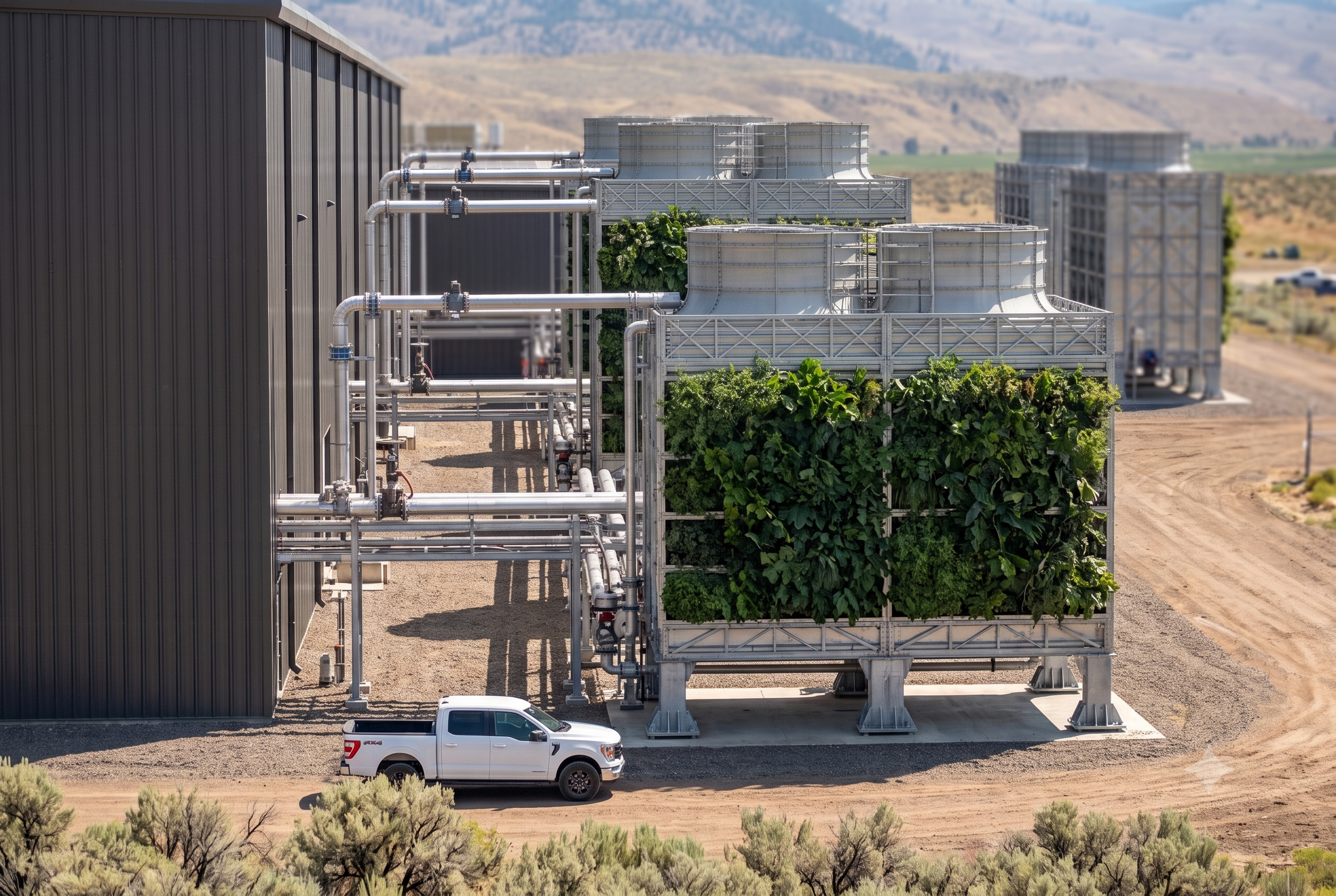
Thermaspire builds upon the proven performance of evaporative cooling by integrating an engineered vertical wetland with Zero Liquid Discharge (ZLD) technology.
Warm, mineral-rich cooling tower blowdown is directed through an engineered vertical wetland, where biological processes utilize waste heat and saline water to support plant growth. Through natural transpiration, the wetland provides additional evaporative heat rejection while reducing the volume, temperature, and mineral loading of the water entering the downstream Zero Liquid Discharge (ZLD) system.
The remaining water is then processed through an integrated ZLD system, eliminating wastewater discharge while reducing the thermal and treatment demands placed on conventional ZLD equipment.
Built on proven cooling technologies and commercially available hardware, our integrated system delivers reliable performance for high-density data centers while recovering value from waste heat and water.
We provide a complete heat rejection solution, including system integration, maintenance, and biomass management, allowing operators to focus on their core data center operations.
The Benefits
Water Recovery & Reuse
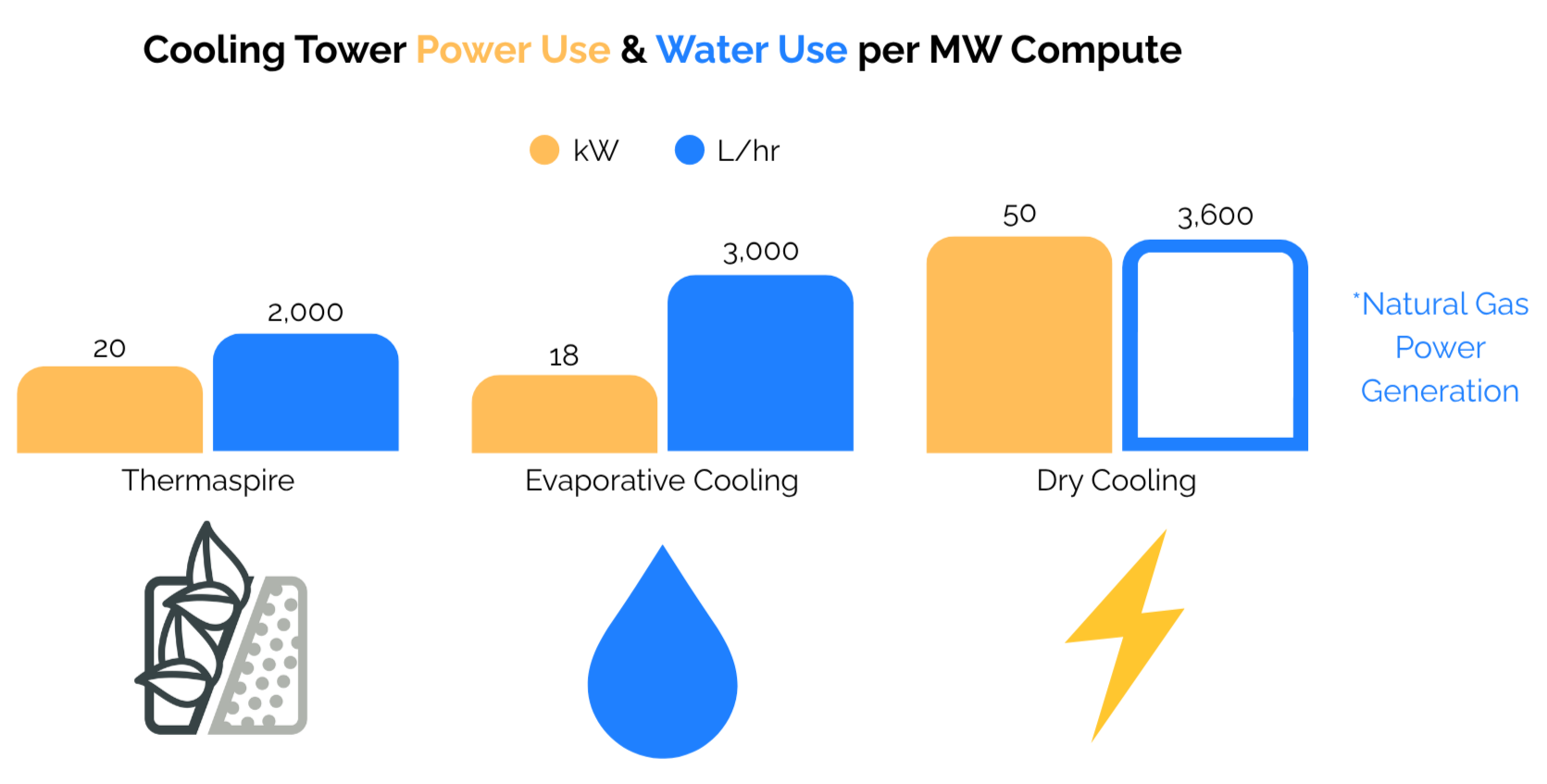
Reduce freshwater consumption by up to 30% compared with conventional evaporative cooling through integrated water recovery.
Zero Liquid Discharge
Eliminate cooling tower blowdown wastewater, reducing environmental impact and simplifying wastewater management.
Lower Energy Demand
Reduce electrical consumption by up to 50% compared with conventional dry cooling while maintaining the benefits of evaporative heat rejection.
Reduced Total Cost of Ownership
Lower long-term operating costs through reduced water consumption, lower ZLD treatment requirements, and improved resource utilization.
Modular & Scalable
Designed as modular systems that can be deployed across a wide range of data center capacities
Cooling System Agnostic
Compatible with a variety of data center cooling architectures, allowing integration without changes to equipment inside the data hall.
Biological Resource Recovery
Utilize engineered biological processes to recover selected dissolved minerals while producing beneficial biomass.
Our Projects
Prototype testing TRL5 is underway with positive results and a TRL7 pilot is in development with an industry partner. We welcome continued collaboration with investors and pilot partners. Reach out below.
Pilot Testing
Validate our technology under real-world operating conditions.
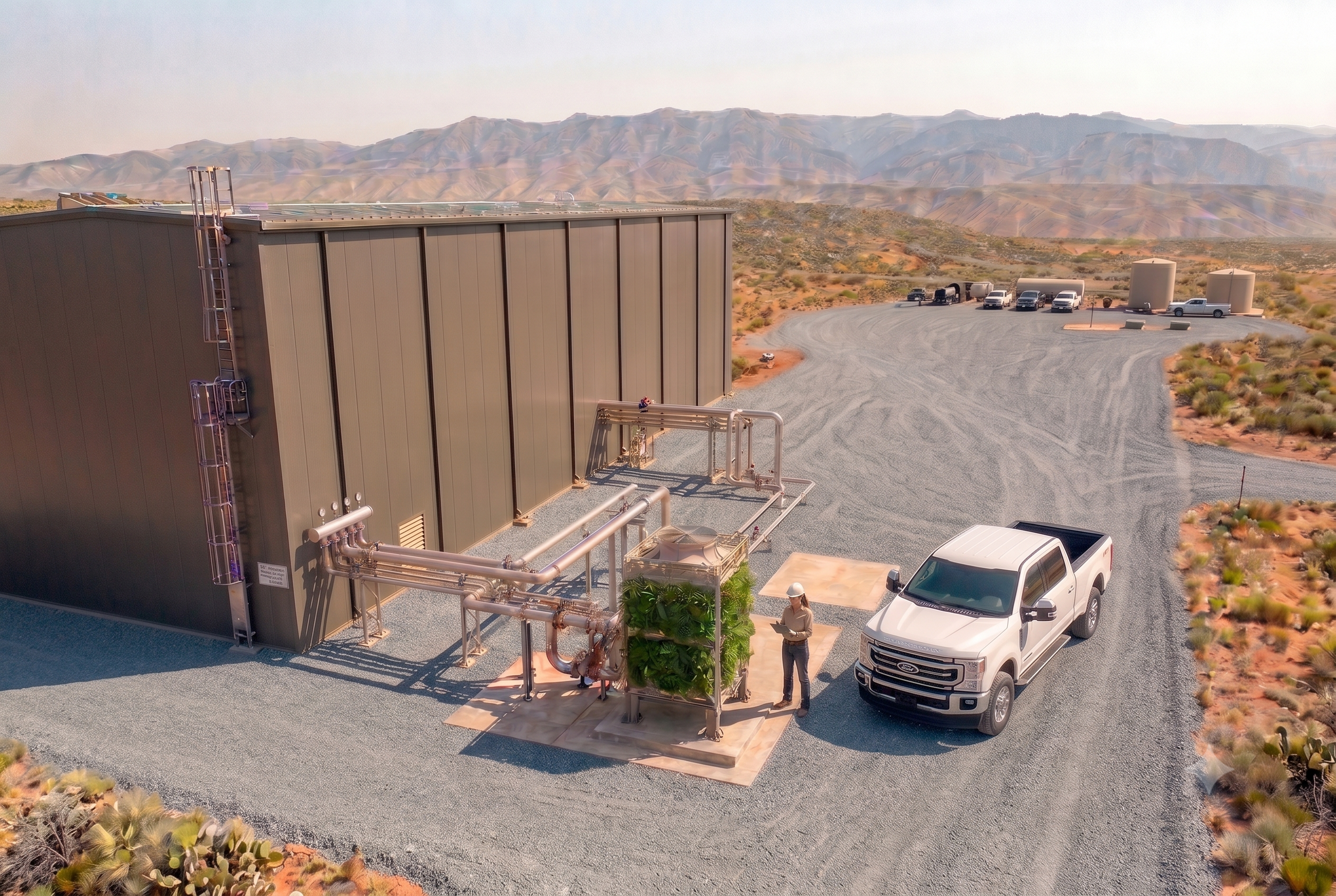
Thermaspire offers flexible pilot testing programs to evaluate system performance across a range of operating conditions. Pilot systems can be deployed at customer sites or tested at our Vancouver facility, providing valuable performance data while reducing technical and commercial risk ahead of full-scale implementation.
Contact Us
Let's collaborate. Reach out directly or subscribe to stay informed.